Teeth Whitening in Doha: When Is It Suitable and How Is It Different from Teeth Cleaning?
Learn the difference between teeth whitening and professional dental cleaning, when whitening may be suitable, why teeth change color, and how to maintain the result.
A brighter smile is something many people value, but tooth color can change and stains can develop over time for several reasons, including colored beverages, smoking, tartar buildup, and everyday habits. For this reason, some people consider teeth whitening to improve the color of their teeth and restore a brighter appearance.
Although teeth whitening is a common cosmetic dental procedure, the first step is not always to begin whitening immediately. The teeth and gums should first be assessed to identify the cause of discoloration and to make sure there is no untreated tooth decay, gum inflammation, or another dental problem that should be addressed before selecting a whitening method.
Why Do Teeth Change Color Over Time?
Tooth discoloration can result from both external and internal factors. External staining is commonly associated with coffee, tea, colored drinks, smoking, plaque, and tartar buildup, which may make teeth appear darker or less bright.
Internal changes in tooth color can have other causes, including the natural characteristics of the teeth, previous dental trauma, or changes occurring within an individual tooth. Different types of discoloration therefore do not necessarily respond to whitening in the same way.
What Is the Difference Between Teeth Cleaning and Teeth Whitening?
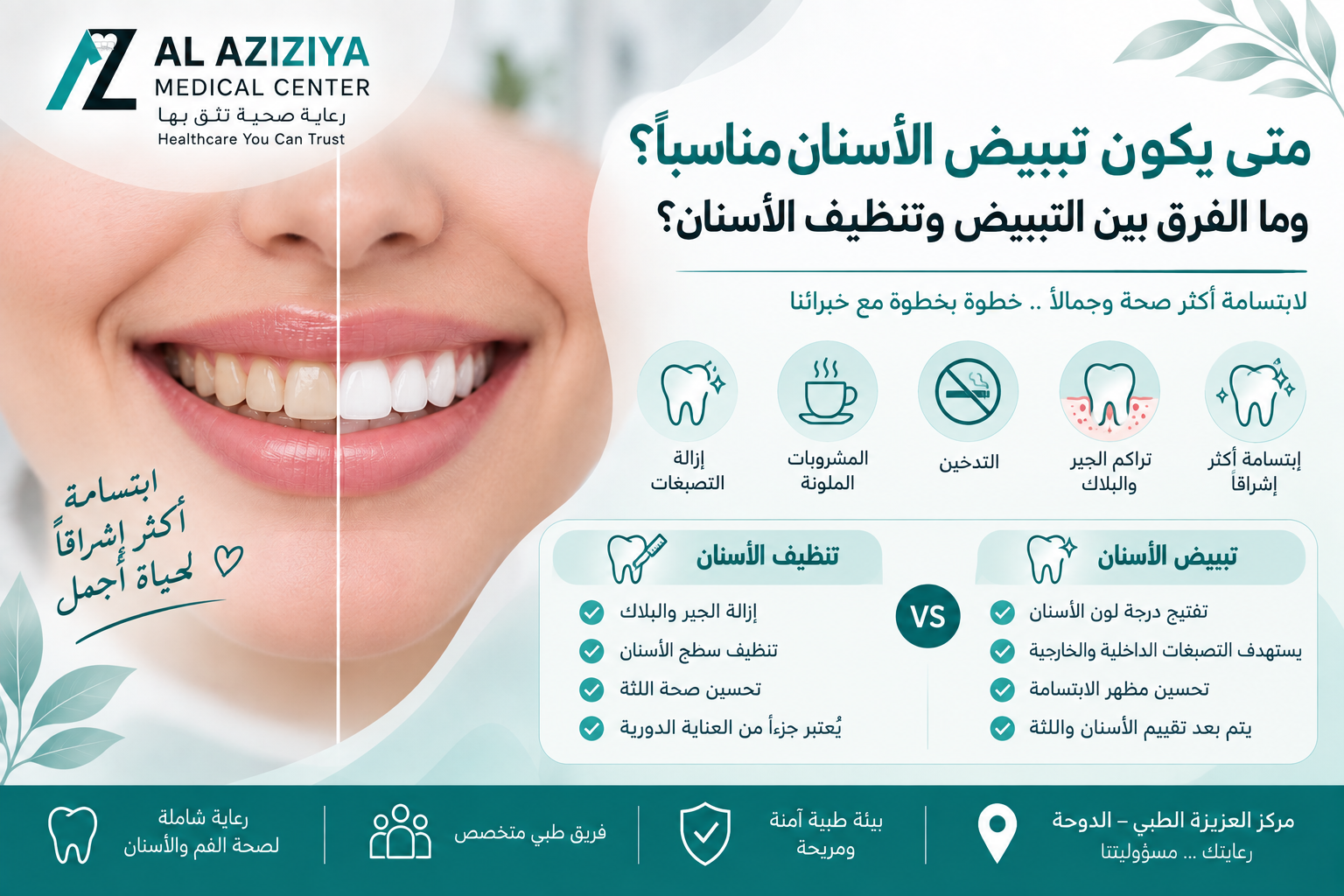
Professional dental cleaning and teeth whitening are often confused, but they serve different purposes. Dental cleaning is intended to remove plaque, tartar, and surface stains that accumulate around the teeth and gums. It is an important part of maintaining oral health.
Teeth whitening, on the other hand, is intended to lighten the shade of natural teeth using products specifically designed for whitening. Some people notice a significant improvement in their smile after cleaning alone when surface buildup and staining are the main cause of discoloration, while others may consider whitening when they want a lighter tooth shade.
Is Teeth Whitening Suitable for Everyone?
Not necessarily. Before whitening, a dentist should assess the condition of the teeth and gums, particularly if the patient has significant tooth sensitivity, untreated cavities, gum inflammation, cracks, or other dental concerns that may require treatment first.
Fillings, crowns, and veneers also do not change color in the same way as natural teeth. Visible restorations in the front teeth may therefore need to be considered when planning whitening so that the final appearance is as balanced as possible.
How Is the Appropriate Whitening Method Chosen?
The whitening approach depends on the degree and type of discoloration, the health of the teeth and gums, any existing sensitivity, and the result the patient hopes to achieve. After examination, the dentist can determine whether whitening is appropriate or whether cleaning or another dental treatment should come first.
Whitening should form part of a plan that considers oral health rather than simply aiming for an extremely white shade. The goal is to improve appearance while protecting the teeth and gums and avoiding excessive use of whitening products.
Can Teeth Whitening Cause Sensitivity?
Some people experience temporary tooth sensitivity after whitening, particularly when consuming hot or cold drinks. The degree of sensitivity varies according to the individual, the condition of the teeth, the whitening technique, and the products used.
Patients with a history of sensitive teeth should tell their dentist before treatment so the condition can be evaluated and an appropriate plan and aftercare instructions can be provided.
How Long Do Teeth Whitening Results Last?
Whitening results are not permanent because the teeth continue to be exposed to foods, beverages, and habits that can gradually cause new staining. Good oral hygiene can help maintain the improved appearance for longer.
The duration of the result differs between individuals depending on daily habits, the characteristics of the teeth, consumption of coffee and tea, smoking, and adherence to regular dental cleaning and home oral care.
How Can You Maintain Teeth Whitening Results?
Regular brushing and appropriate oral care can help limit new surface stains after whitening. Reducing frequent exposure to strongly staining foods and beverages and attending periodic dental examinations and cleaning appointments may also help maintain the appearance of the teeth.
Maintaining the result does not mean using whitening products excessively at home. Inappropriate or excessive use may increase sensitivity or irritate the gums, so whitening products should be used according to professional guidance.
Does Whitening Toothpaste Produce the Same Result?
Some whitening toothpastes can help reduce surface stains and maintain the appearance of the teeth, but they do not necessarily produce the same result as professional whitening when the aim is to lighten the natural shade of the teeth themselves.
Frequent use of highly abrasive products may also be unsuitable for some people, particularly those with sensitivity or tooth wear. Oral care products should therefore be selected according to individual dental needs.
When Should Teeth Cleaning Come First?
If discoloration is mainly associated with tartar buildup or surface stains, professional cleaning and polishing may be an appropriate first step before considering whitening. Cleaning can also support gum health and reveal the natural tooth color more clearly.
After cleaning, the dentist can assess the appearance of the teeth and determine whether additional whitening or another cosmetic dental option should be considered.
When Might Whitening Not Be the Appropriate Solution?
Some types of tooth discoloration do not respond to whitening as much as expected, particularly when the cause is internal or when visible fillings, crowns, or veneers are present. In such cases, the dentist may discuss other options according to the cause and condition of the teeth.
An examination before treatment helps establish realistic expectations and select an approach that suits the patient's teeth rather than assuming whitening is a universal solution for every type of discoloration.
Teeth Whitening at Al Aziziya Medical Center
The Dental Department at Al Aziziya Medical Center in Doha provides a range of oral health and aesthetic dental services, including professional teeth cleaning, tartar removal, and teeth whitening, together with fillings, cosmetic dentistry, crowns, veneers, and restorative treatments.
The appropriate first step is to evaluate the teeth and gums and identify the reason for the change in color. The dentist can then determine whether the patient needs professional cleaning, whitening, or treatment of another dental concern before beginning a cosmetic procedure.
Why Is a Dental Examination Important Before Whitening?
Untreated tooth decay, gum inflammation, or significant tooth sensitivity may need attention before whitening. Dental examination allows the dentist to assess the health of the teeth and gums and determine an appropriate plan.
The examination also identifies crowns, fillings, or veneers that may need to be considered when selecting the target shade because these restorations do not whiten in the same way as natural teeth.
A Bright Smile Begins With Oral Health
Teeth whitening can be an appropriate option for improving tooth color, but it is not necessarily the first step for every patient. Examination, professional cleaning, and treatment of existing tooth or gum problems remain important before selecting a cosmetic dental procedure.
At Al Aziziya Medical Center in Doha, the Dental Department provides restorative, preventive, and cosmetic dental services, with assessment of oral health used to determine the most appropriate option for each patient's needs.