
Laser Hair Removal in Doha: How to Prepare and What to Expect Before and After Treatment
A practical guide to laser hair removal in Doha, including preparation, aftercare, treatment sessions, skin and hair factors, and when dermatology assessment may be helpful.
Laser hair removal is a widely used aesthetic procedure for both women and men because it can gradually reduce hair growth and decrease the need for frequent traditional hair-removal methods. However, achieving an appropriate result depends on more than the laser device itself. Skin type, hair characteristics, treatment settings, and following instructions before and after each session all play an important role.
Many people look for laser hair removal in Doha for different areas of the face and body. Understanding how laser treatment works, why several sessions are usually required, which factors affect response, and how to care for the skin between sessions can help patients approach treatment with more realistic expectations.
How Does Laser Hair Removal Work?
Laser hair removal uses light energy that targets melanin pigment within the hair. The absorbed energy is converted into heat, which can gradually reduce the follicle's ability to produce hair.
Response varies according to skin tone, hair color, hair thickness, and the treatment area. Different technologies and settings can also be selected according to individual characteristics, which is why the same settings should not automatically be used for every patient.
Does Laser Hair Removal Permanently Remove All Hair?
The aim of laser hair removal is long-term reduction in the amount, density, thickness, and rate of hair growth. After a treatment course, some patients may notice that returning hair is finer, less dense, or slower to grow.
Results vary between individuals and body areas. Some patients may also require maintenance sessions after completing their initial treatment course, especially when hormonal factors continue to influence hair growth.
Why Are Multiple Laser Sessions Needed?
Not all hairs are in the same growth phase at the same time. Laser treatment is more effective when individual hairs are in an appropriate stage of growth, so sessions are spaced over time to target different groups of follicles.
The number of sessions and the interval between them vary according to the treatment area, hair density and thickness, individual response, and other patient-specific factors.
Which Areas Can Be Treated With Laser Hair Removal?
Laser hair removal can be used on several areas depending on the individual assessment, including parts of the face, upper lip, underarms, arms, legs, back, and other body areas.
Men may also seek laser treatment for areas such as the back, chest, underarms, neck, and selected areas around the beard. In some cases, the goal may be to reduce hair density rather than remove as much hair as possible.
Is Laser Hair Removal Suitable for Men?
Yes. Men can use laser treatments to reduce hair density in selected areas or to help define areas such as the beard line and neck.
Male body hair may be thicker or denser in some areas, so the treatment plan, settings, and expected number of sessions can differ according to the individual.
How Should You Prepare for a Laser Hair Removal Session?
Proper preparation can help reduce unnecessary skin irritation and allow the laser to target hair follicles effectively. Patients should follow the specific instructions provided by the clinic or treating professional.
- Avoid methods that remove the hair from the root, such as waxing or plucking, for the period recommended before treatment.
- Shave the treatment area according to the instructions provided before the appointment.
- Avoid irritating the skin with strong products or exfoliation close to the session when advised.
- Tell the treating professional about medications and dermatological treatments currently being used.
- Report active inflammation, sensitivity, or other skin problems in the treatment area.
Why Is Sun Exposure Important Before Laser Treatment?
Significant sun exposure or a recent tan can affect skin sensitivity and the settings that can be used during laser treatment. Sun protection is therefore particularly important when treating exposed areas such as the face, arms, or legs.
Appropriate sun protection before and after treatment may also help reduce the risk of irritation and unwanted changes in skin pigmentation.
What Happens During a Laser Hair Removal Session?
The treatment area is assessed and prepared before the device is used with settings selected according to the patient's skin, hair characteristics, and treatment area.
During treatment, some patients describe a mild sensation of heat or pinching. The intensity can vary depending on the treatment area, skin sensitivity, and the technology being used.
Session duration depends largely on the size of the treatment area. Smaller areas generally take less time than larger areas such as the legs or back.
What Should You Expect After Laser Hair Removal?
Mild temporary redness or warmth may occur after treatment, although the skin response varies between individuals.
Some treated hairs may still appear to be present immediately after the session and may gradually shed afterward. The presence of visible hair directly after treatment does not necessarily mean the session was ineffective.
What Should You Do After a Laser Session?
The treated skin should be handled gently and the aftercare instructions provided by the treating professional should be followed. Patients may be advised to avoid excessive friction and products that could irritate the skin during the initial period after treatment.
Sun protection is also particularly important for exposed treatment areas, and strong exfoliating products should generally not be used unless they are appropriate for the patient's skin and treatment plan.
Can Hair Be Removed Between Laser Sessions?
Shaving can generally be used between sessions when necessary according to professional instructions. Methods such as waxing and plucking may be avoided because they remove the hair from the root that the next laser session needs to target.
Strong creams or home mixtures should also be approached carefully, particularly when the skin is sensitive or prone to inflammation or pigmentation.
Does Hair Color Affect Laser Results?
Yes. Laser hair removal depends significantly on pigment within the hair, so response can differ between dark hair and very light, white, or gray hair.
Hair density, thickness, and body location also influence response. Assessment before starting treatment can therefore help establish more realistic expectations.
Does Skin Tone Affect the Choice of Laser Settings?
Skin type and skin tone are important considerations when selecting laser technology and settings. Different skin tones do not automatically prevent laser treatment, but appropriate assessment is needed to select suitable parameters.
For this reason, treatment settings should not be copied from another patient's sessions even when the same body area is being treated.
When Should Excess Hair Growth Be Medically Evaluated?
When excessive hair growth appears suddenly or becomes noticeably denser without an obvious reason, particularly if it is accompanied by menstrual irregularities, weight changes, or other hormonal symptoms, medical assessment may be useful.
Laser treatment may still form part of a hair-reduction plan, but identifying and managing an underlying cause when present can also be important for long-term follow-up.
When Should You See a Dermatologist Before Laser Hair Removal?
Dermatology assessment may be helpful when the treatment area has active inflammation, significant sensitivity, pigmentation, or an undiagnosed skin condition, or when the patient uses dermatological treatments that may affect the timing of laser sessions.
Medical assessment can also be useful for patients with a history of irritation or changes in skin color following cosmetic procedures.
Laser Hair Removal at Al Aziziya Medical Center
The Dermatology & Laser Department at Al Aziziya Medical Center in Doha provides laser hair removal services for multiple areas for women and men, alongside medical dermatology, aesthetic dermatology, and skin care services.
Treatment begins with assessment of skin type, hair characteristics, and the area being treated. The treatment plan and settings are then selected according to the needs of each patient, together with instructions for preparation and aftercare.
Dr. Nawar Ahmed Al-Muslim and Laser Hair Removal
Dr. Nawar Ahmed Al-Muslim, Dermatology, Aesthetics & Laser Specialist at Al Aziziya Medical Center, provides laser hair removal services using modern laser technologies selected according to skin type and the treatment area.
She also provides diagnosis and treatment of skin, hair, and nail conditions as well as pigmentation and acne scar care, allowing skin concerns to be considered when evaluating patients for aesthetic procedures.
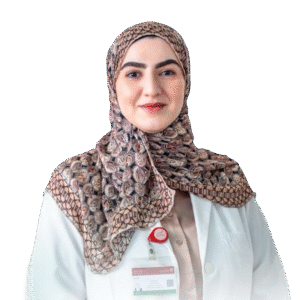
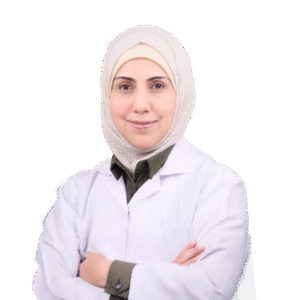
When Can Dermatology Assessment by Dr. Bushra Zaqzouq or Dr. Huda Hussein Hassan Be Helpful?
The department also includes Dr. Bushra Zaqzouq and Dr. Huda Hussein Hassan, Dermatology Specialists who evaluate a range of skin concerns. Dermatology assessment can be useful when sensitivity, inflammation, pigmentation, or another skin condition needs to be addressed before or during a course of aesthetic treatment.
This assessment can help determine whether the skin is ready for a procedure or whether a dermatological condition should be treated first.
A Suitable Result Starts With a Plan Based on Your Skin and Hair
Laser hair removal is not a one-size-fits-all procedure. Skin tone, hair characteristics, treatment area, consistency with appointments, and adherence to before-and-after instructions can all affect the response.
At Al Aziziya Medical Center in Doha, the Dermatology & Laser Department provides laser hair removal as part of integrated skin care, with each patient's treatment assessed according to individual skin and hair characteristics.