Hyperpigmentation and Melasma in Doha: Why Dark Spots Appear and How Treatment Is Chosen
A guide to hyperpigmentation and melasma, including common causes, the role of sun exposure and inflammation, and how dermatologists select treatment according to skin type and condition.
Changes in skin tone and the appearance of dark spots are common reasons people visit a dermatologist. Pigmentation may appear after acne or skin inflammation, as noticeable melasma on the face, or as areas of uneven skin tone that become more visible with sun exposure. Although these concerns can sometimes look similar, their causes and treatment approaches may be different.
The goal of treatment is therefore not to lighten the skin indiscriminately. It is to identify the cause of the pigmentation, assess its nature and depth, and then select an approach that suits the patient's skin type and condition. This is particularly important because unsuitable products or procedures may irritate the skin and make pigmentation more noticeable rather than improving it.
What Is Skin Hyperpigmentation?
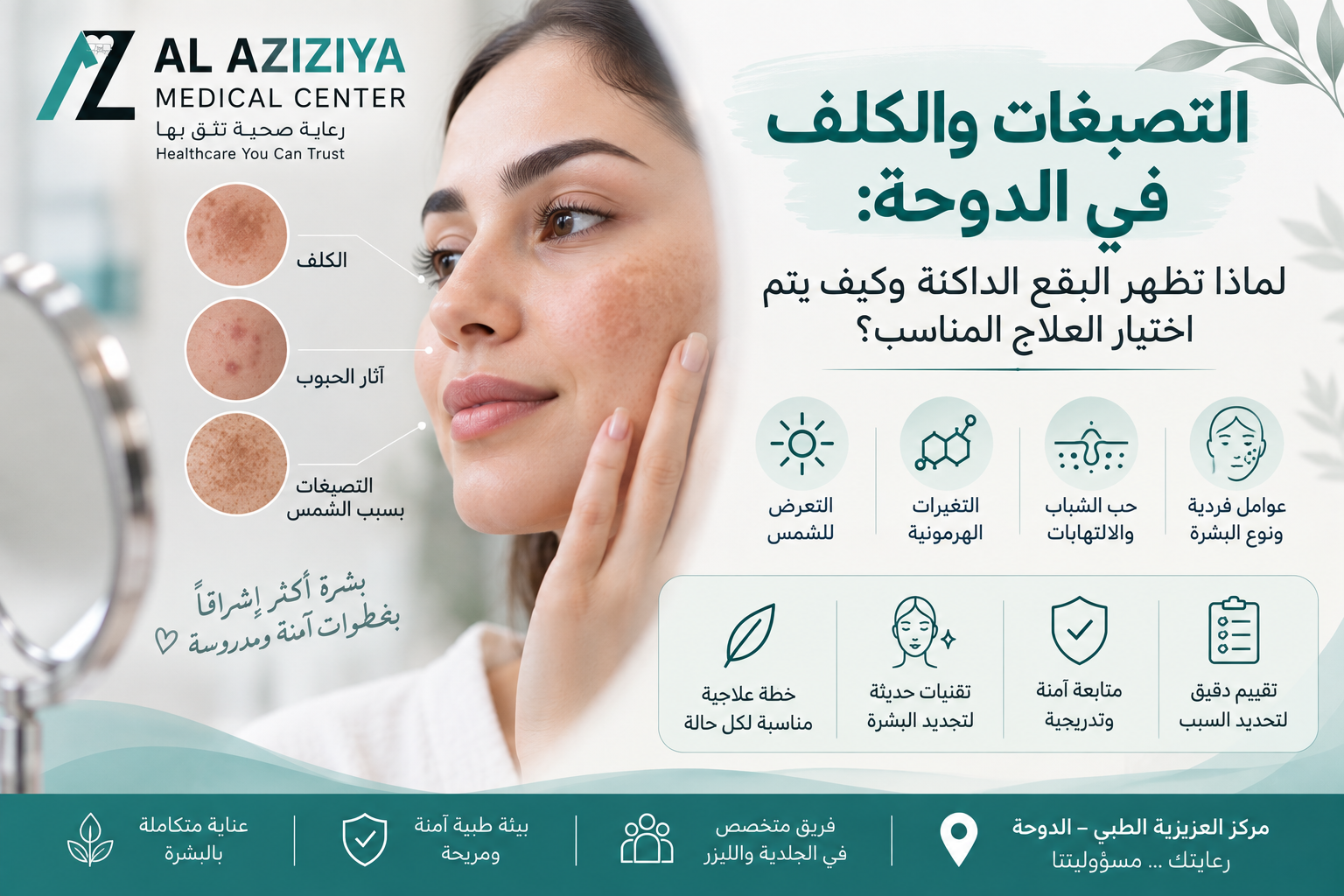
Hyperpigmentation refers to areas of skin that become darker than the surrounding skin because of increased melanin production or accumulation in a particular area. It may appear as small spots, scattered patches, or larger areas on the face or other parts of the body.
Common examples include post-inflammatory pigmentation after acne or skin inflammation, sun-related dark spots, and melasma, which commonly appears on areas of the face such as the cheeks, forehead, and upper lip. Each type may require a different assessment before treatment is selected.
What Is the Difference Between Melasma and Other Pigmentation?
Melasma is a type of hyperpigmentation that often appears as brown or gray-brown patches on the face. It may be particularly noticeable on the cheeks, forehead, nose, or upper lip.
Its appearance can be associated with sun exposure and hormonal changes, and it may become more noticeable during certain periods and improve during others.
Other forms of pigmentation may develop for different reasons, including acne marks, skin inflammation, wounds, friction, or irritation caused by skin care products. Identifying the type and cause of pigmentation therefore helps address the existing discoloration while reducing the factors that may cause it to recur.
Why Do Hyperpigmentation and Dark Spots Appear?
There are several causes of hyperpigmentation. Sun exposure without appropriate protection is one of the most common because light and ultraviolet exposure can stimulate melanin production, making existing spots darker or contributing to new pigmentation.
Pigmentation may also develop after acne or inflammatory skin conditions, when inflammation leaves an area darker than the surrounding skin. Hormonal changes can also play a role in some cases, particularly melasma, while individual factors such as skin type and sensitivity can influence how pigmentation develops.
Can Hyperpigmentation Fade on Its Own?
Some superficial dark spots may gradually become lighter over time, particularly when the underlying cause is treated and further irritation is avoided. However, the rate of improvement varies considerably between individuals.
Some pigmentation can persist for a long period and may require consistent treatment and follow-up. Melasma may also improve and later recur if triggering factors continue, particularly sun exposure. Maintaining the result is therefore an important part of the treatment plan.
Sun Protection Is an Essential Part of Pigmentation Care
Hyperpigmentation treatment cannot be separated from daily sun protection. Even when effective treatments or procedures are used, pigmentation may return or become more noticeable if the skin continues to receive significant sun exposure.
Protection can include using an appropriate sunscreen, reducing unnecessary direct sun exposure, seeking shade, and using physical protection when spending extended periods outdoors. Choosing a sunscreen that suits the patient's skin type and does not cause irritation or clogged pores may also be important.
How Does a Dermatologist Choose the Right Treatment?
Appropriate treatment begins with assessing the type of pigmentation, its location, how long it has been present, and the factors that may worsen it. The dermatologist also evaluates the skin and reviews products or treatments that have previously been used.
Treatment can differ significantly between patients even when their dark spots look similar. Some conditions may benefit from carefully selected topical treatments, while others may be considered for chemical peels, skin rejuvenation techniques, or selected laser procedures after medical assessment. In some cases, a combined treatment plan may be more appropriate than relying on a single procedure.
Are Chemical Peels Suitable for Hyperpigmentation?
Chemical peels may be considered for some pigmentation concerns because they can help renew superficial layers of the skin and improve the appearance of uneven tone. However, the type and strength of the peel and the number of sessions should not be the same for everyone.
An unsuitable peel or overly strong treatment can cause irritation and inflammation that may worsen pigmentation, particularly in some skin types. The decision should therefore be based on an individual skin assessment rather than copying a treatment that worked for someone else.
When Might Laser or Skin Rejuvenation Techniques Be Used?
Several technologies are available to improve pigmentation and support skin rejuvenation, and some may be appropriate after assessment. Their suitability depends on factors including the type and depth of pigmentation, skin tone, and the skin's tendency to become irritated.
Melasma in particular should not automatically be treated with a device or laser without careful evaluation. Some cases may benefit more from a gradual approach that combines sun protection, home skin care, and an appropriate procedure only when needed.
Treating the Cause Is as Important as Treating the Dark Spot
If pigmentation develops because of ongoing acne, the acne itself should also be treated because new breakouts can lead to new dark marks. The same principle applies to eczema, allergies, or recurrent skin irritation, as persistent inflammation can make pigmentation more difficult to improve.
A dermatologist may therefore begin by controlling the underlying condition before focusing on skin tone. This can help produce a more stable long-term result.
When Should You See a Dermatologist?
Dermatology assessment is advisable when dark spots are increasing quickly, appear suddenly or unusually, change in appearance or color, or fail to improve despite consistent skin care.
Medical evaluation is also useful before beginning laser sessions, chemical peels, or strong lightening products. Not every dark mark is necessarily melasma or simple hyperpigmentation, and examination helps distinguish other skin conditions and reach a more accurate diagnosis.
Hyperpigmentation and Melasma Treatment at Al Aziziya Medical Center
The Dermatology & Laser Department at Al Aziziya Medical Center in Doha provides care for pigmentation, melasma, and uneven skin tone, together with acne and acne mark treatment, chemical peels, skin rejuvenation techniques, and medical skin care for different skin types.
The treatment plan begins with assessment of the condition and skin type, followed by selection of the treatment or procedure according to the individual's needs, with an emphasis on a gradual approach and reducing irritation and recurrence where possible.
Dr. Bushra Zaqzouq and Pigmentation Care
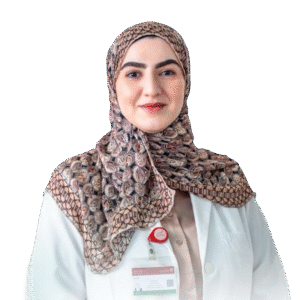
Dr. Bushra Zaqzouq, Dermatology Specialist at Al Aziziya Medical Center, provides assessment and treatment for pigmentation and dark spots, in addition to acne, acne-related marks, and skin rejuvenation care.
The treatment plan is selected according to the nature of the concern and skin type and may include topical treatment, chemical peeling, or other dermatological and aesthetic techniques when appropriate.
Dr. Huda Hussein Hassan and Comprehensive Skin Care
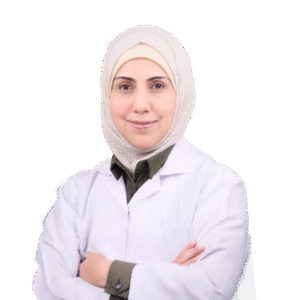
Dr. Huda Hussein Hassan, Dermatology Specialist at the center, also provides diagnosis and treatment for pigmentation and dark spots together with comprehensive skin care using options selected according to each patient's assessment.
Specialist evaluation can be particularly useful for people who have tried several products or procedures without clear improvement or whose skin has become more sensitive or uneven in tone after unsuitable treatments.
Dr. Nawar Ahmed Al-Muslim and Pigmentation and Acne Mark Treatment
Dr. Nawar Ahmed Al-Muslim, Dermatology, Aesthetics & Laser Specialist, provides care for pigmentation, dark spots, and acne marks as well as medical peels, mesotherapy, and skin rejuvenation procedures selected after assessment.
Combining medical evaluation with appropriate aesthetic dermatology options can help determine whether the patient needs topical treatment, a dermatological procedure, or a gradual plan involving more than one approach.
The Right Result Begins With the Right Diagnosis
Hyperpigmentation and melasma are not one condition with one universal treatment. The cause, depth of pigmentation, and skin type all influence the appropriate plan. Accurate diagnosis helps avoid random treatments that may irritate the skin or delay improvement.
At Al Aziziya Medical Center in Doha, the Dermatology & Laser Department provides specialist assessment for pigmentation and melasma, with medical and aesthetic treatment options selected according to the needs and skin type of each patient.