Hair Loss in Doha: When Is It Normal and When Should You See a Dermatologist?
A guide to common causes of hair loss in men and women, including temporary and hereditary shedding, hormonal and thyroid factors, iron deficiency, and when dermatology assessment may be needed.
Hair loss is a common concern for both men and women, particularly when shedding becomes noticeable during showering or styling, or when overall hair density gradually begins to decrease. However, seeing some hair shed every day does not necessarily indicate a disease because hair naturally passes through cycles of growth, rest, and shedding.
The important factor is whether there has been a change from what is normal for you. Has shedding increased? Have visible gaps or thinner areas appeared? Is the hair gradually becoming less dense? Are there scalp symptoms such as itching, redness, or scaling? These details can help determine whether medical assessment may be appropriate.
Why Does Hair Loss Occur?
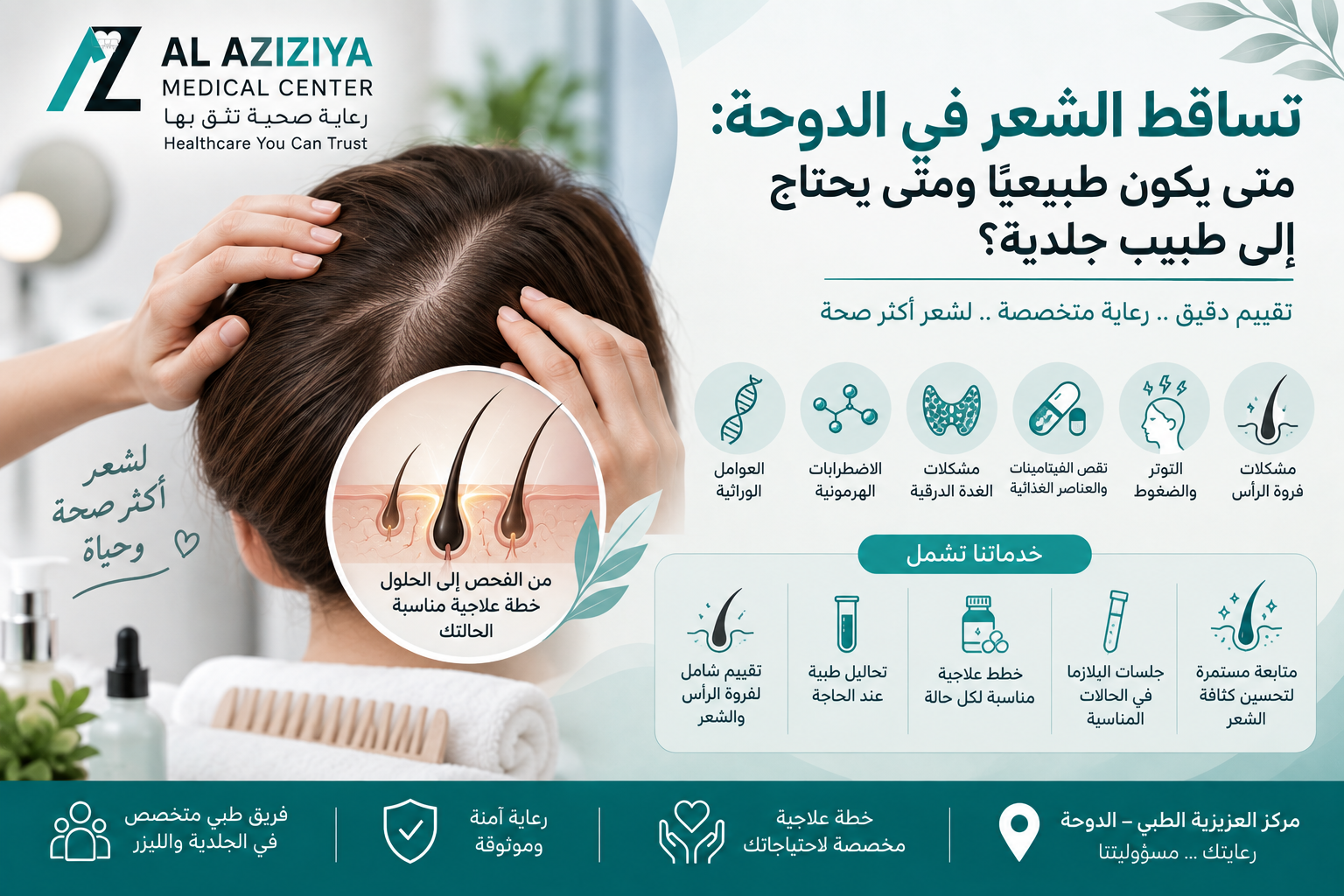
There is no single cause of hair loss. It may be associated with hereditary factors, hormonal changes, nutritional deficiencies, thyroid disorders, significant stress, previous illness, or changes occurring after pregnancy and childbirth. Certain medications and harsh hair styling practices may also affect hair density and health.
For this reason, using the same treatment for every type of hair loss may not be useful. An appropriate plan begins by identifying the cause because treating the underlying problem can be an important step in reducing shedding and supporting future hair growth.
When Can Hair Shedding Be Temporary?
Some people notice increased shedding after significant physical or emotional stress, high fever, surgery, or an illness that places stress on the body. Some women may also experience noticeable shedding after childbirth. In these situations, the hair loss can begin some time after the triggering event rather than immediately.
This type of shedding may gradually improve as the body recovers and contributing factors are addressed. Persistent or severe hair loss, however, should be evaluated to make sure another cause is not occurring at the same time.
Hereditary Hair Loss in Men and Women
Hereditary hair loss is a common cause of gradually decreasing hair density. In men, it may begin with recession of the hairline or thinning at the top of the scalp. In many women, it appears as a gradual reduction in density or widening of the hair part.
Because this type of hair loss often progresses gradually, recognizing changes early and visiting a dermatologist can help determine the pattern and discuss appropriate treatment options before further density is lost.
Can Thyroid and Hormonal Disorders Affect Hair?
Yes. Some hormonal disorders and thyroid conditions may be associated with changes in hair density or increased shedding. Other symptoms may occur at the same time, including weight changes, fatigue, menstrual irregularities, or changes in the skin and nails.
In these situations, focusing on the hair alone may not be sufficient. The doctor may recommend laboratory testing or additional assessment when the symptoms and medical history suggest that an internal condition could be contributing to the hair loss.
Iron Deficiency, Nutrition, and Hair Loss
Balanced nutrition is important for healthy hair, and iron deficiency or deficiencies in certain nutrients can contribute to shedding in some people. However, taking supplements without assessment is not necessarily helpful.
Supplement use is generally better guided by the patient's history and laboratory testing when needed rather than purchasing multiple hair supplements without identifying the actual cause of the problem.
Hair Styling and Daily Care Can Be Part of the Problem
Repeatedly pulling the hair into tight hairstyles, aggressive styling, frequent heat exposure, and chemical treatments can lead to hair breakage or place additional stress on the roots. When traction continues over long periods, particular areas of the scalp may become more noticeably affected.
Gentle hair care, reducing excessive tension and heat, and choosing products appropriate for the hair and scalp can be helpful, especially when the hair is already fragile or going through a period of increased shedding.
When Should Hair Loss Be Evaluated by a Dermatologist?
Dermatology assessment is recommended when hair loss is sudden or severe, when clear gaps or areas without hair appear, or when the scalp is painful, itchy, inflamed, or irritated. Persistent shedding that results in a noticeable reduction in hair density also warrants evaluation.
It may also be useful not to delay assessment when there is a strong family history of hair loss and the hairline or overall density has begun to change, as identifying the type and cause early can help guide the treatment plan.
How Is the Cause of Hair Loss Diagnosed?
The dermatologist will generally ask when the shedding began and what pattern it follows, together with questions about medical and family history, medications, nutrition, and any illness or major life event that occurred before the problem began. The scalp and pattern of hair distribution are then examined.
Blood tests or other investigations may be recommended in selected cases depending on the pattern of hair loss, symptoms, and examination findings. The goal is not to perform as many tests as possible, but to select those that may help identify the actual cause.
Is There One Treatment Plan for Every Type of Hair Loss?
No. Treatment depends on the cause. Some patients require treatment of an underlying medical condition, while others may benefit from topical medication or another therapy selected by the dermatologist. Other cases may need scalp care or treatment of inflammation.
Procedures such as platelet-rich plasma may also be considered as supportive options in selected cases after assessment, but they do not replace diagnosis and are not suitable for every cause of hair loss.
PRP for Hair: When Might It Be Considered?
PRP may be used as part of selected hair-loss treatment plans as a supportive procedure for the scalp and hair follicles. Whether it is appropriate depends on the type and stage of hair loss and on whether another contributing condition should be treated first.
The first question should therefore not necessarily be how many sessions are required, but what is causing the hair loss and whether PRP is appropriate for that particular cause. The doctor can then decide whether it has a role in the patient's treatment plan.
Why Should You Not Rely on Oils and Home Remedies Alone?
Some hair care products can improve hair texture and reduce dryness or breakage, but they do not treat every cause of hair loss at the root. If the cause is hereditary, hormonal, nutritional, or related to a scalp disease, home remedies alone are unlikely to address the complete problem.
Using many oils or mixtures on the scalp may also cause irritation in some people, potentially adding another problem rather than improving the original condition.
Hair Loss Treatment at Al Aziziya Medical Center
The Dermatology & Laser Department at Al Aziziya Medical Center in Doha provides assessment for hair loss and scalp concerns, with treatment plans selected according to the cause and needs of each patient. Care may include medical treatments, supportive procedures in selected cases, and management of dermatological conditions affecting the scalp.
The availability of dermatology and medical testing services at the center can also support a broader assessment when symptoms suggest that factors such as hormones, thyroid function, or nutritional deficiencies may need to be considered.
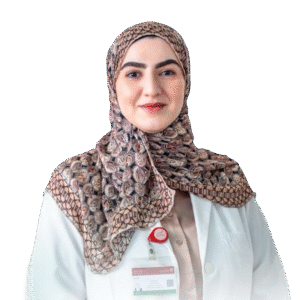
Dr. Bushra Zaqzouq and Hair Loss Care
Dr. Bushra Zaqzouq, Dermatology Specialist at Al Aziziya Medical Center, evaluates hair-loss concerns and develops individualized treatment plans according to the underlying cause. Her areas of care include skin and hair conditions, with PRP and appropriate medical treatments considered according to clinical assessment.
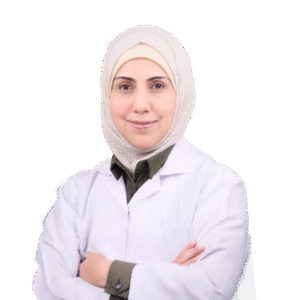
Dr. Huda Hussein Hassan and Hair Loss Follow-up
Dr. Huda Hussein Hassan, Dermatology Specialist at the center, provides care for hair and scalp concerns, including assessment of potential causes of shedding and selection of non-surgical treatment options and individualized plans according to each patient's needs.
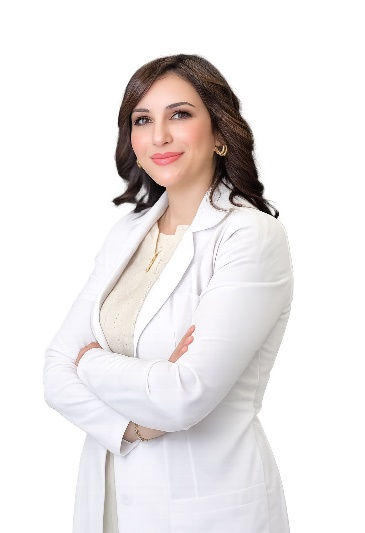
Dr. Nawar Ahmed Al-Muslim and Hair and Scalp Health
Dr. Nawar Ahmed Al-Muslim, Dermatology, Aesthetics & Laser Specialist, provides diagnosis and treatment for skin, hair, and nail concerns. Her services also include supportive hair-health procedures such as PRP, PRF, and selected regenerative approaches when appropriate after evaluating the cause and condition.
Early Assessment Provides a Clearer Path to Treatment
Hair loss is not a single condition, and attempting to treat it without identifying the cause can result in time being spent on products that do not address the actual problem. Earlier evaluation can make it easier to identify the pattern of hair loss and develop a realistic treatment plan.
At Al Aziziya Medical Center in Doha, the Dermatology & Laser Department provides care for hair and scalp concerns with an emphasis on identifying the cause and selecting treatment according to each patient's individual needs rather than using one solution for everyone.