How to Choose the Right Endocrinologist and Diabetes Specialist in Doha
A guide to choosing an endocrinologist and diabetes specialist in Doha for diabetes, thyroid disorders, weight concerns, hormonal conditions, and metabolic health.
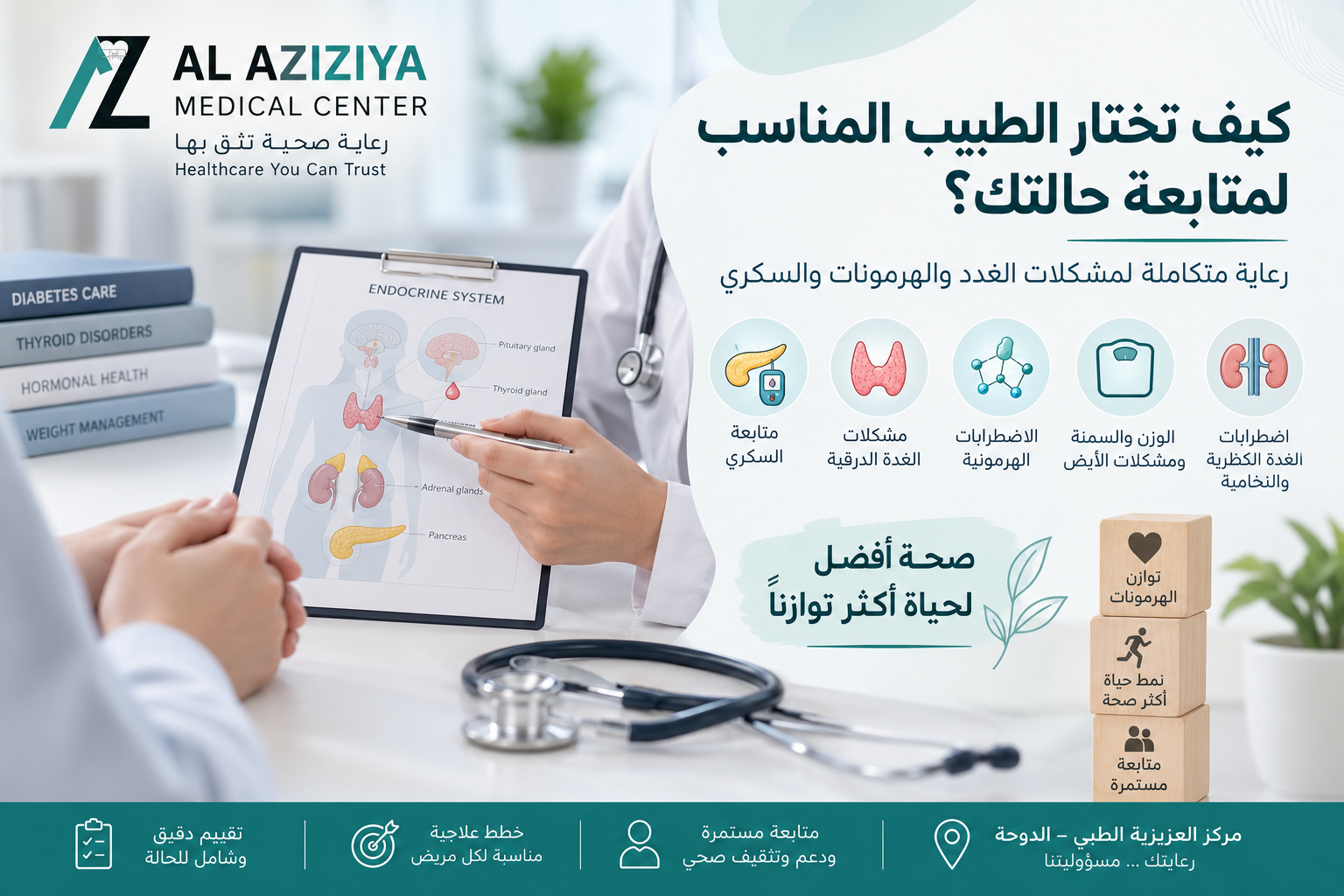
Endocrine and hormonal disorders can affect many functions throughout the body and may appear through a range of symptoms such as fatigue, weight changes, abnormal blood sugar levels, a rapid heartbeat, or changes in appetite, sleep, and mood. Accurate diagnosis and regular follow-up with an endocrinology specialist can help identify the underlying cause and establish an appropriate treatment plan for each patient.
When looking for an endocrinologist and diabetes specialist in Doha, the choice should not be based only on treating a single symptom. It is also important to consider the doctor's ability to evaluate the overall condition, review laboratory results, connect different symptoms, and adjust the treatment plan over time according to the patient's response and healthcare needs.
When Should You Visit an Endocrinologist?
An endocrinology consultation may be appropriate when blood sugar levels are abnormal, symptoms suggest a thyroid disorder, unexplained weight gain or weight loss occurs, hormonal concerns are recurring, or cholesterol and lipid abnormalities are difficult to control.
Some patients also require specialist follow-up for chronic conditions such as diabetes. Management is not limited to medication and may involve laboratory monitoring, nutrition, physical activity, weight management, blood pressure, and other factors that may influence the risk of complications.
Diabetes Management Requires Continuous Follow-up
Diabetes generally requires long-term follow-up, whether it is type 1 or type 2. The aim of follow-up is to achieve the most appropriate possible blood glucose control while reducing the risk of complications and supporting quality of life.
The treatment plan may include reviewing medications, organizing meals, physical activity, monitoring weight, and periodic laboratory tests that help the doctor assess how the body is responding to treatment. Each patient's needs can vary according to age, general health, and other medical conditions.
Thyroid Disorders Can Cause Nonspecific Symptoms
The thyroid gland plays an important role in regulating energy, metabolism, weight, and body temperature. When thyroid function becomes underactive or overactive, different symptoms may develop. These can include fatigue, weight changes, dry skin, hair loss, feeling unusually cold, or, in other cases, increased sweating, a rapid heartbeat, nervousness, and difficulty sleeping.
Because these symptoms can overlap with other conditions, diagnosis should not rely on symptoms alone. Laboratory testing together with medical assessment is important in identifying the nature of the problem and determining the appropriate treatment and follow-up plan.
Weight and Obesity May Sometimes Be Related to Hormonal Factors
Weight gain is not always related to food intake alone. In some cases, a hormonal or metabolic factor may contribute to difficulty losing weight. Endocrine evaluation can therefore be useful when weight gain is unexplained or when there is little response to usual weight-management efforts.
Obesity itself may also be associated with an increased risk of diabetes, abnormal lipid levels, and high blood pressure. Managing weight may therefore require a broader plan that considers the patient's medical condition, lifestyle, and related health factors.
Hormonal Disorders in Women
Hormonal changes in women may appear as irregular menstrual cycles, weight changes, ovulation-related concerns, or symptoms associated with the period before and after menopause. In these situations, endocrine and hormonal evaluation can help identify the cause and coordinate care with another specialty when appropriate.
In some cases of polycystic ovary syndrome, for example, hormones, weight, and insulin resistance may be connected. A comprehensive assessment can therefore be more useful than treating each symptom separately.
Adrenal and Pituitary Gland Disorders
The adrenal and pituitary glands influence a wide range of hormones and body functions. Although disorders affecting these glands are less common than diabetes or thyroid disease, suspected cases may require specialized and careful assessment.
Diagnosis may involve different laboratory tests or other investigations depending on the symptoms and clinical situation. Endocrinology follow-up can help determine which investigations are appropriate and interpret the results within the patient's overall clinical picture.
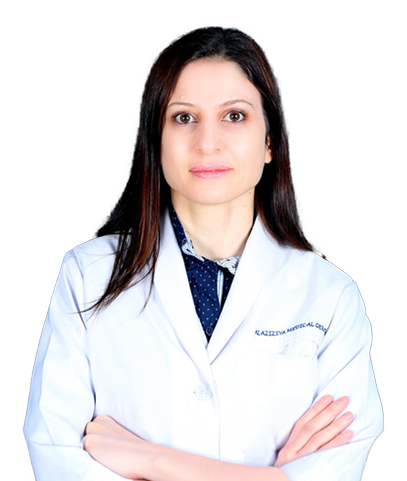
Dr. Lamees Mahmoud Raad at Al Aziziya Medical Center
Al Aziziya Medical Center in Doha includes Dr. Lamees Mahmoud Raad, an Endocrinology Specialist who provides follow-up for diabetes, thyroid disorders, hormonal conditions, metabolic concerns, and weight-related disorders.
Dr. Lamees focuses on individualized treatment planning, careful clinical assessment, reviewing the patient's response to treatment, and educating patients about lifestyle measures and the prevention of complications associated with chronic conditions.
Her areas of care also include adrenal and pituitary disorders, hormonal concerns in women, high cholesterol and lipid abnormalities, and other metabolic conditions.
Dr. Bushra Ismail and Endocrinology and Diabetes Care
Al Aziziya Medical Center also includes Dr. Bushra Ismail, an Endocrinology and Diabetes Specialist with more than 10 years of experience in chronic disease follow-up and individualized care for diabetes, thyroid disorders, obesity, and hormonal conditions.
Her services include management of type 1 and type 2 diabetes, follow-up for underactive and overactive thyroid disorders, weight and obesity management, metabolic conditions such as high cholesterol and triglycerides, and selected hormonal disorders affecting women.
How Do You Choose the Right Endocrinologist for Your Condition?
Begin by identifying the main condition that requires follow-up. If you have diabetes, look for ongoing care that includes laboratory monitoring, medication, and lifestyle management. If your concern involves the thyroid, weight, or hormones, a comprehensive evaluation that considers symptoms, laboratory results, and medical history is important.
It is also helpful to choose a doctor with whom you feel comfortable discussing symptoms and maintaining regular follow-up. Many endocrine conditions require periodic appointments and adjustments to treatment over time. Receiving care in a setting where laboratory and other medical services are available may also make the patient's care journey more organized.
Why Is Regular Follow-up Important?
Some endocrine conditions may remain stable for a period and later require treatment adjustments as laboratory results, weight, or general health change. Keeping regular appointments and completing recommended tests can help identify changes early and allow them to be addressed appropriately.
Regular monitoring is particularly important for patients with diabetes and thyroid disorders because medication doses or treatment plans may need to be reviewed according to test results and the body's response to therapy.
Integrated Endocrinology and Diabetes Care in Doha
Choosing the right endocrinology specialist can help establish a clear follow-up plan rather than treating symptoms separately. Hormonal conditions, diabetes, and thyroid disorders often require careful monitoring and an understanding of the relationship between symptoms, laboratory results, and lifestyle.
At Al Aziziya Medical Center in Doha, the Endocrinology Department provides specialist follow-up for a broad range of conditions, with an emphasis on individualized assessment and care plans designed to help each patient understand and manage their condition more consistently.