Botox in Doha: Uses, When It May Be Suitable, and the Difference from Fillers
A guide to Botox in Doha, including how it works, common uses, when results appear, how it differs from dermal fillers, and why medical assessment matters.
Botox has become a well-known non-surgical aesthetic procedure for reducing the appearance of certain facial lines and expression-related wrinkles. However, achieving a natural-looking result depends on more than the injection itself. It begins with assessing facial muscle movement and understanding what the individual actually needs. Not every facial line requires Botox, and Botox and dermal fillers are not the same procedure.
Medical consultation before treatment is therefore an important step, particularly for people who want to maintain natural facial features and avoid an excessive result. This guide explains how Botox works, the areas commonly assessed for treatment, when results may become visible, how long they may last, the difference between Botox and fillers, and important considerations before making a decision.
What Is Botox and How Does It Work?
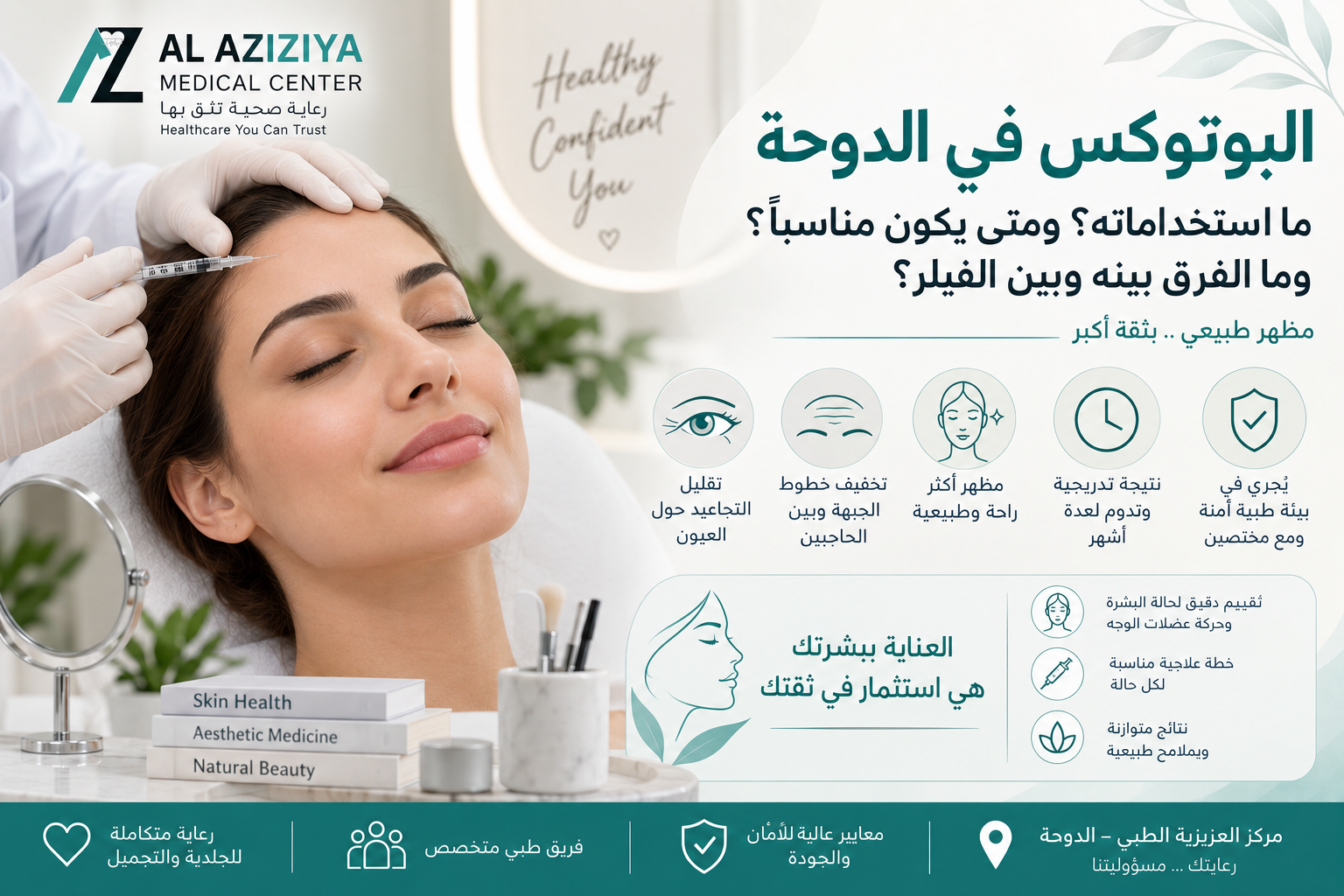
Botox is one of the trade names for botulinum toxin, a substance used medically in small and carefully selected doses. When injected into specific muscles, it temporarily reduces the nerve signals that cause those muscles to contract. As muscle activity decreases in the targeted area, expression-related lines may become less noticeable.
The purpose is not necessarily to change the entire face or eliminate facial expression. Instead, the doctor aims to reduce the activity of selected muscles to a degree appropriate for the patient's facial structure, muscle strength, and desired outcome. Injection amounts and locations therefore vary from one person to another.
Which Types of Lines Respond Best to Botox?
Botox is most closely associated with dynamic or expression lines, which develop or become more visible as facial muscles repeatedly move during expressions such as frowning, raising the eyebrows, or smiling. Commonly assessed areas include forehead lines, lines between the eyebrows, and lines around the eyes.
Deeper lines that remain visible when the face is relaxed may require a different assessment. The doctor may discuss other options or a combined treatment plan depending on skin quality and the depth of the lines. For this reason, the most appropriate procedure cannot always be determined from a photograph or brief description alone.
Does Botox Make the Face Look Frozen?
A common concern is that Botox will make the face appear rigid or expressionless. When treatment is planned carefully, however, the aim is generally to relax selected muscles to an appropriate degree while preserving natural facial movement as much as possible.
Unnatural-looking results are more likely when the treatment plan does not suit the patient's facial muscles or when injection amounts or locations are inappropriate. Understanding facial anatomy and muscle movement is therefore an important part of achieving a balanced result.
When Do Botox Results Begin to Appear?
Botox does not usually produce its final effect immediately after treatment. The effect generally develops gradually over the following days and becomes more noticeable with time. The timing may vary according to the treated area and the individual's muscle response.
For this reason, the result should not be judged immediately after the injection. Follow-up at the time recommended by the doctor allows the muscle response and overall outcome to be assessed appropriately.
How Long Do Botox Results Last?
The effect of botulinum toxin is temporary rather than permanent. In many cases, the effect on facial lines lasts for several months, commonly around three to four months, although the duration varies according to muscle strength, the treated area, and individual response.
As muscle activity gradually returns, expression lines may begin to become more noticeable again. The timing of any future treatment can then be discussed with the doctor rather than following the same fixed schedule for every patient.
What Is the Difference Between Botox and Fillers?
Botox and dermal fillers are often confused even though they work in different ways. Botox targets the activity of selected muscles to reduce lines associated with movement. Fillers, on the other hand, are generally used to add volume or provide structural support in areas where the concern relates to volume loss or where additional contour or definition may be appropriate.
The choice between Botox and filler therefore does not depend on age alone or on a general desire for facial rejuvenation. It depends on the actual cause of the concern. Some patients may need one type of treatment, while others may discuss a different or combined plan after facial and skin assessment.
Is Botox Suitable for Everyone?
No. Although Botox is widely used, suitability depends on medical history, current medications, general health, and the area being considered for treatment. Patients should inform the doctor about medical conditions, medications, and previous procedures before treatment.
Women who are pregnant, breastfeeding, or planning pregnancy in the near future should also discuss this clearly with the doctor before considering treatment so that decisions can be made according to their individual medical situation.
What Temporary Effects May Occur After Treatment?
Some people may experience temporary redness, mild swelling, tenderness, or bruising at injection sites. These effects are often related to the injection process itself and generally improve over time.
Rarely, temporary weakness of a nearby muscle may occur, such as temporary drooping of the eyebrow or eyelid. Difficulty breathing, swallowing, or speaking after botulinum toxin treatment is uncommon but requires urgent medical assessment.
What Should You Do After a Botox Session?
Aftercare instructions vary according to the treated area and the individual case, so the doctor's instructions should be followed. Common advice may include avoiding rubbing or massaging injected areas immediately after treatment and treating the area gently during the first hours.
Patients should avoid trying random techniques or applying pressure to the treated areas in an attempt to alter the outcome. If an unusual symptom occurs, contacting the clinician who performed the assessment and treatment is the appropriate step.
Why Should Botox Be Performed in a Medical Setting?
Although injections may appear simple, the procedure requires knowledge of facial muscle anatomy and the location of important nerves and blood vessels, as well as appropriate selection of the product, dose, and injection sites. Botulinum toxin treatment should therefore be performed by an appropriately qualified professional in a suitable medical environment.
A good consultation should begin by understanding the patient's concern, examining facial movement, and determining whether Botox is appropriate at all before discussing the expected result and treatment plan.
How Can You Aim for a Natural-Looking Result?
A natural result does not necessarily mean removing every visible line. In many cases, the aim is to create a more relaxed appearance while maintaining balanced and recognizable facial features. A clinician may therefore recommend a conservative approach rather than attempting to eliminate every line during one treatment.
Eyebrow shape, forehead muscle strength, and facial proportions vary between individuals. Copying another person's treatment points or requesting the same injection pattern therefore does not guarantee the same outcome.
Botox and Integrated Skin Care at Al Aziziya Medical Center
The Dermatology & Laser Department at Al Aziziya Medical Center in Doha provides skin care and rejuvenation services that include medical assessment for aesthetic procedures such as Botox and fillers, together with other dermatological treatments selected according to each patient's needs.
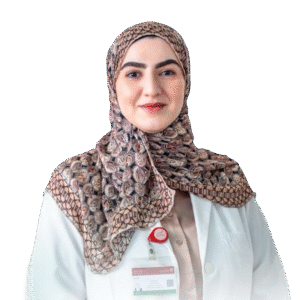
Dr. Bushra Zaqzouq, Dermatology Specialist, provides clinical and aesthetic dermatology care and skin rejuvenation services, including procedures such as Botox, fillers, and mesotherapy when appropriate after assessment.
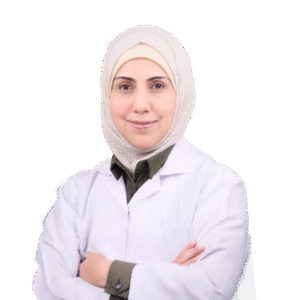
Dr. Huda Hussein Hassan, Dermatology Specialist, also provides medical and aesthetic skin care, including anti-aging procedures such as Botox, fillers, and chemical peels, together with treatment for a range of skin and hair concerns.
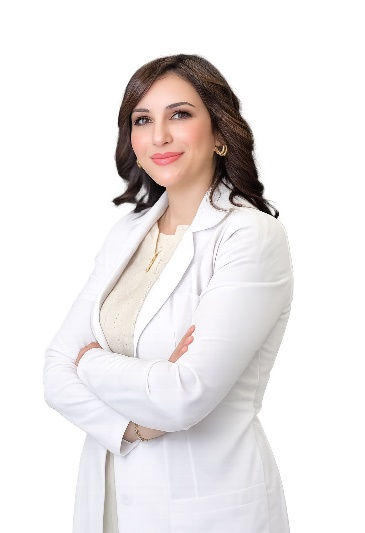
Dr. Nawar Ahmed Al-Muslim, Dermatology, Aesthetics & Laser Specialist, provides Botox and filler procedures, skin rejuvenation, laser services, pigmentation and acne scar treatment, and other modern treatments for skin and hair health.
The appropriate procedure begins with medical assessment because the presence of lines or skin changes does not automatically mean that Botox is the best option. In some cases, treating an underlying skin concern, improving the skin care routine, or selecting another procedure may be more appropriate.
Conclusion
Botox is a medical aesthetic procedure that may help reduce certain expression-related lines when it is appropriately selected and performed. A good result does not depend on using a larger amount of product, but rather on careful assessment, understanding facial muscle movement, and preserving the natural balance of facial features.
If you are considering Botox in Doha, start with a consultation with a dermatologist or appropriately qualified clinician to discuss your concern, determine whether Botox is suitable for you, and understand what result can realistically be expected in your individual case.