Acne in Doha: Why Does It Happen and When Should You See a Dermatologist?
Learn about the causes and types of acne, when daily skin care may be enough, when to see a dermatologist, and the difference between acne marks and scars.
Acne is one of the most common skin conditions. It is not limited to adolescence and may continue into adulthood or appear for the first time later in life. Acne can present as blackheads or whiteheads, inflamed pimples, or deeper and painful lesions, and after healing it may leave dark marks or scars that affect the appearance of the skin.
Although mild acne may improve with appropriate daily skin care, persistent or recurrent breakouts, or acne that leaves noticeable marks, may be a reason to see a dermatologist. Early treatment can help control inflammation and reduce the risk of long-term scarring.
Why Does Acne Develop?
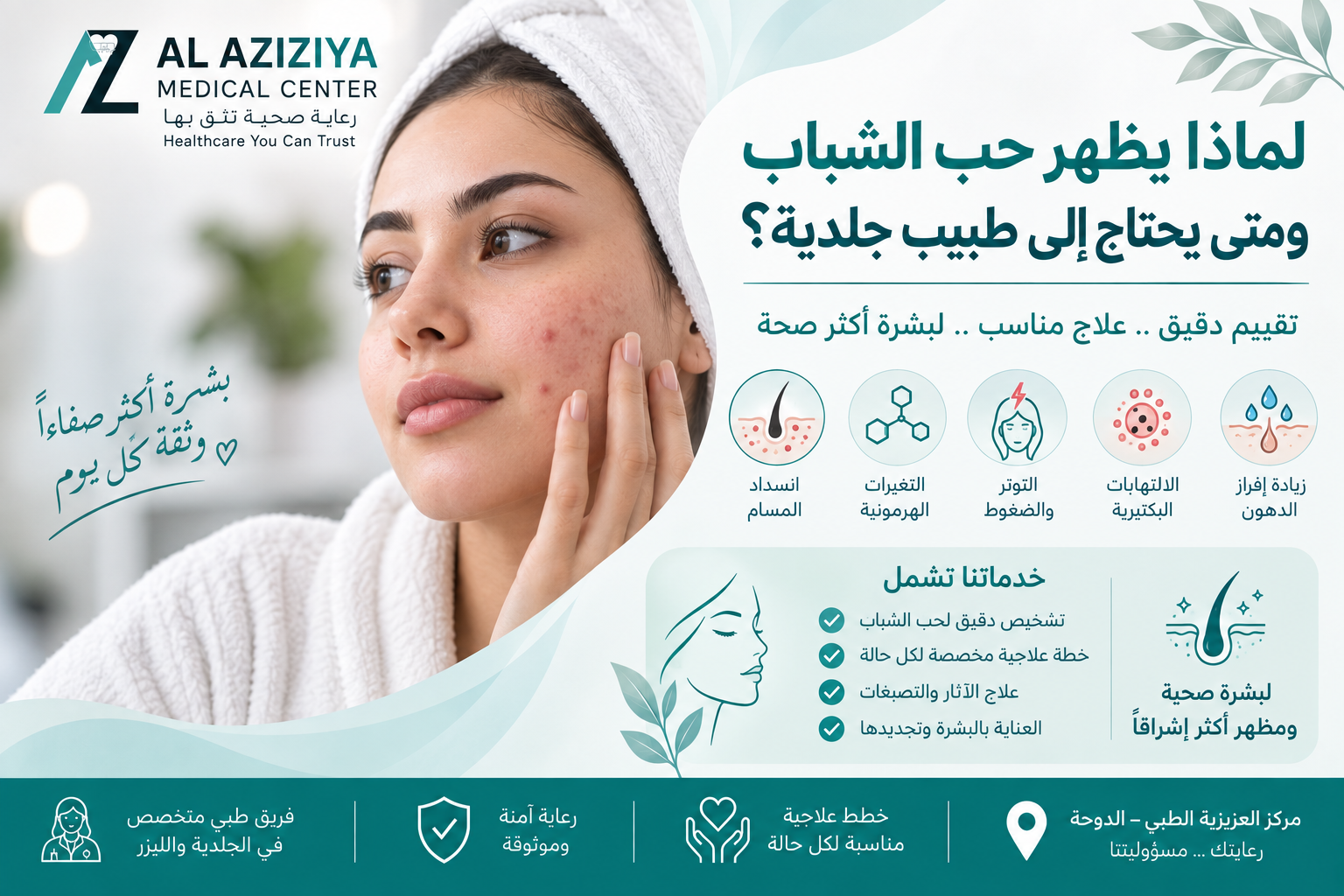
Acne develops through a combination of factors within the skin, including increased oil production, blocked pores, accumulation of dead skin cells, and inflammation within hair follicles. Hormonal changes may also increase sebaceous gland activity, helping explain why acne is common during certain stages of life.
Other factors may make acne worse in some people, including unsuitable skin care products, repeated pressure or friction against the skin, squeezing or picking pimples, and hereditary tendency. There is therefore no single cause that explains every case of acne.
What Are the Different Types of Acne?
Not all acne looks the same. Some patients mainly develop whiteheads and blackheads caused by blocked pores, while others experience red or inflamed pimples. More severe cases may include deeper painful nodules or cyst-like lesions beneath the skin.
The type of acne, degree of inflammation, and extent of the affected areas influence treatment decisions. Skin care that is sufficient for a mild case may not be enough for moderate or severe acne requiring medical follow-up.
Is Acne Only Associated With Oily Skin?
Acne is often associated with oily skin, but it is not limited to this skin type. Combination or sensitive skin can also develop breakouts, particularly when heavy or unsuitable products are used or hormonal changes are present.
A skin care routine should therefore consider the person's overall skin type, sensitivity, dryness, irritation, and associated pigmentation rather than focusing on acne alone.
When May Daily Skin Care Be Enough?
In mild cases, a consistent routine may help improve the skin. This can include using a suitable cleanser, avoiding excessive washing or harsh products that cause irritation, choosing products that do not unnecessarily block pores, and using appropriate sun protection.
It is also useful to avoid introducing many new products at the same time or constantly changing the routine, as this can make it difficult to identify what is helping and what may be irritating the skin.
When Should You See a Dermatologist for Acne?
A dermatology assessment is advisable when acne is extensive or painful, repeatedly returns without clear improvement, or begins to leave scars, pits, or dark marks. Deep lesions and significant inflammation are also reasons to consider earlier evaluation.
Medical care may also be helpful when acne has a noticeable effect on emotional comfort or self-confidence, or when over-the-counter products and home skin care have not provided satisfactory improvement.
Why Should You Avoid Squeezing Pimples?
Squeezing or picking acne lesions may increase inflammation and push material deeper into the skin. It can also increase the likelihood of post-inflammatory dark marks and scarring after the lesion heals.
A pimple may appear to improve immediately after being squeezed, but inflammation can remain beneath the surface. Treating the underlying acne process is therefore generally more useful than trying to manage each individual lesion manually.
How Does a Dermatologist Choose Acne Treatment?
Treatment begins by determining the type, severity, and distribution of acne, together with how long it has been present and which treatments have already been tried. The dermatologist also considers pigmentation, scarring, and other skin concerns that may influence the plan.
Treatment may include topical therapies, medication in selected cases, and adjustments to the daily skin care routine. When active inflammation is present, controlling new breakouts is often the first priority before focusing on older acne marks and scars.
Acne Marks or Acne Scars: What Is the Difference?
After acne resolves, dark or red marks may remain for some time. These are different from true scars, where there is an actual change in the skin surface, such as depressed or raised scar tissue.
The distinction is important because treatment approaches differ. Some discoloration may gradually improve with time and appropriate care, while scars may require procedures aimed at improving skin texture.
When Can Acne Marks and Scars Be Treated?
In many cases, active acne should first be brought under better control because treating old marks while new inflammatory lesions continue to appear may limit the overall result.
After inflammation becomes more stable, pigmentation and scars can be assessed. Depending on the individual case, options may include skin rejuvenation techniques, chemical peels, Dermapen, or other procedures selected according to scar type, skin tone, and sensitivity.
Is Dermapen Suitable for Acne Scars?
Dermapen may be considered for some types of acne scarring and skin texture concerns, but it is not suitable for every scar or every stage of acne. When acne is still actively inflamed, the dermatologist may prefer to control the breakouts before beginning rejuvenation procedures.
The decision depends on the type and depth of the scars and the overall condition of the skin, so the appropriate procedure and number of sessions cannot be determined accurately without assessment.
Does Diet Cause Acne?
There is no single food that causes acne in everyone. Some people may notice that certain dietary patterns are associated with worsening breakouts, but it is generally more appropriate to maintain a balanced diet and observe individual patterns rather than follow extreme diets without a clear reason.
If acne appears to be associated with hormonal changes or other medical concerns, a broader evaluation may be more useful than focusing on food alone.
Adult Acne
Acne can continue beyond adolescence or appear for the first time in adulthood, particularly in some women. Its pattern may differ from teenage acne and may sometimes be associated with hormonal changes, psychological stress, or unsuitable cosmetic and skin care products.
A treatment that was appropriate during adolescence may not necessarily suit adult skin. Medical assessment can help select a plan according to age, skin type, and associated factors.
Acne Treatment at Al Aziziya Medical Center
The Dermatology & Laser Department at Al Aziziya Medical Center in Doha provides assessment and treatment for acne and its effects, together with pigmentation treatment, skin rejuvenation, and medical skin care for different skin types.
The treatment plan begins by evaluating acne type, level of inflammation, and skin characteristics, followed by selection of the appropriate treatment and monitoring of the patient's response. The aim is to reduce new breakouts and limit pigmentation and scarring as much as possible.
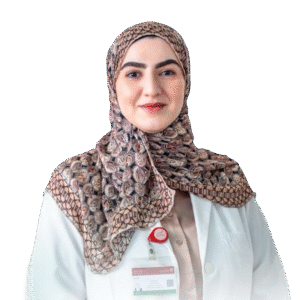
Dr. Bushra Zaqzouq and Acne Care
Dr. Bushra Zaqzouq, Dermatology Specialist at Al Aziziya Medical Center, treats common dermatological conditions including acne, in addition to pigmentation concerns and skin rejuvenation care.
Medical assessment can be particularly useful when acne and post-acne marks occur together, because the treatment plan may need to address active inflammation first and then gradually focus on skin tone and texture.
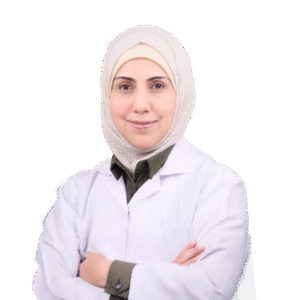
Dr. Huda Hussein Hassan and Comprehensive Skin Care
Dr. Huda Hussein Hassan, Dermatology Specialist at the center, provides diagnosis and treatment for acne and other skin conditions, together with medical and aesthetic dermatology options selected according to each patient's needs.
Accurate diagnosis is particularly important when acne is recurrent or accompanied by sensitivity, pigmentation, or other skin concerns that require a more integrated plan rather than relying on a single product.
Dr. Nawar Ahmed Al-Muslim and Acne Mark and Pigmentation Care
Dr. Nawar Ahmed Al-Muslim, Dermatology, Aesthetics & Laser Specialist, provides diagnosis and treatment of skin conditions together with pigmentation and acne scar care, medical peels, mesotherapy, and skin rejuvenation procedures selected after assessment.
This type of evaluation may be particularly useful after active breakouts have been controlled and the main concern becomes pigmentation, uneven skin texture, or residual marks from previous inflammation.
Early Treatment Can Reduce the Risk of Long-Term Marks
Acne is not only a cosmetic concern, particularly when it is inflamed or recurrent. Treating it early can help reduce ongoing inflammation and lower the likelihood of persistent dark marks and scars that may be more difficult to improve later.
At Al Aziziya Medical Center in Doha, the Dermatology & Laser Department provides assessment for acne and acne-related concerns, with treatment and skin care plans selected according to acne type, inflammation, and the individual needs of each patient.