Gestational Diabetes: A Complete Guide to Understanding and Managing It Safely
Gestational diabetes is a common condition that needs close monitoring during pregnancy, but with early diagnosis and the right care plan, it can be managed safely.
Gestational diabetes is a type of diabetes that appears for the first time during pregnancy, usually in the second or third trimester. It happens when the body cannot produce enough insulin to keep up with the hormonal changes that increase insulin resistance during pregnancy.
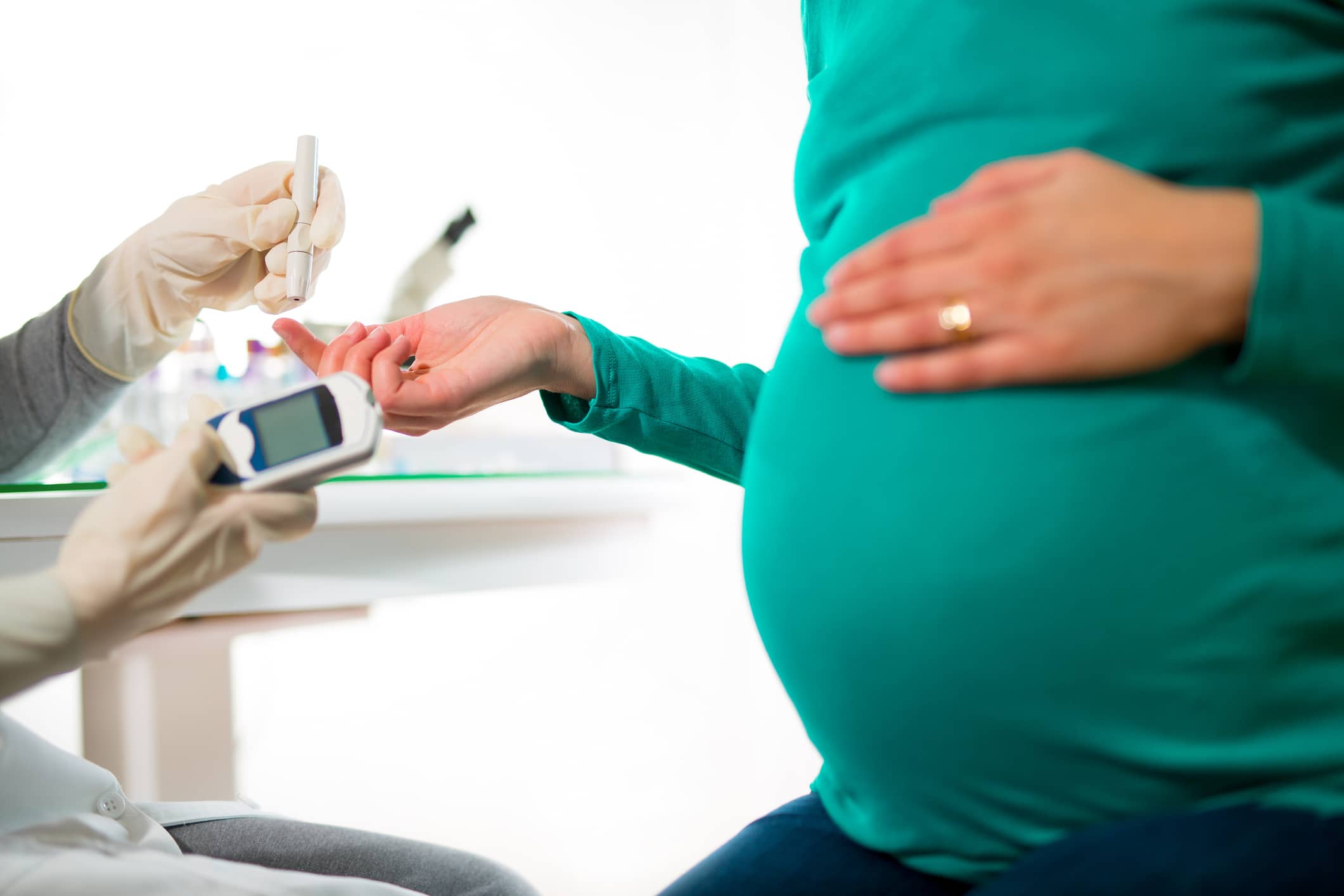
It often causes no clear symptoms, which is why it is usually diagnosed through routine screening, especially between weeks 24 and 28 of pregnancy. Some women may notice increased thirst, frequent urination, or fatigue, but medical testing remains essential for diagnosis.
Early diagnosis is important because it helps reduce possible complications such as increased fetal weight, higher chances of cesarean delivery, or low blood sugar in the newborn. A balanced diet, suitable physical activity, regular glucose monitoring, and medical follow-up are key parts of effective care.
At Al Aziziya Medical Center in Doha, we provide comprehensive pregnancy follow-up, early gestational diabetes screening, and ongoing support through women’s health specialists and nutritional guidance to help mothers go through pregnancy with confidence and safety.